


Where’s the Awe? A Lead Worshipper’s Guide to Reclaiming Wonder in Ministry
By Dwayne Moore
One quiet morning not long ago, I decided to take some time to pray alone in our sanctuary.
You know how it goes: you carve out a few precious moments to actually be still before God, and you're determined to make them count.
But as soon as I sat down on the front row, my mind began racing about all the stuff that still needed to be done before our upcoming weekend services: "How will the lights be set?" "Where will the extra projectors be placed?" "How will we transition between the songs and videos?"
Then suddenly, a still small Voice broke through to my cluttered mind and said, "Dwayne, where's the awe? Why can't you simply be still and know that I am God? Here you sit in my presence; yet your attention is captivated by technical details. They're important, but they're secondary to your primary responsibility as a lead worshipper. As you stand and lead all those people, the most important thing you can do is be in awe of me."
Needless to say, I was convicted and challenged by the Lord's gentle rebuke that morning. And it drove me to dig deeper into God's Word about this idea of awe: not just as a fleeting emotional response, but as a foundational posture for anyone in the ministry of worship.
Here's what I discovered, and I think it has everything to do with how we lead our praise teams, disciple our worship volunteers, and cultivate whole-life worship in our churches.
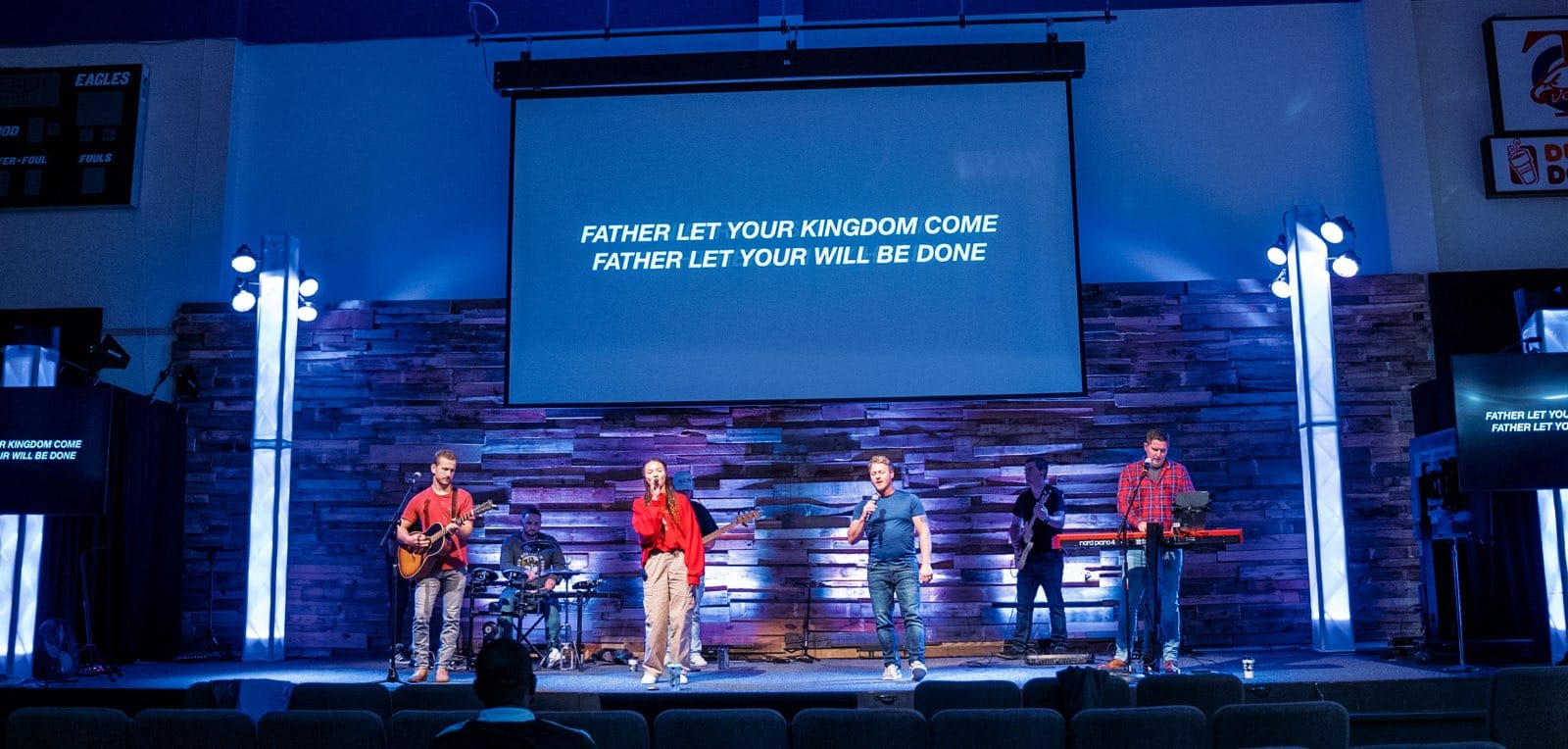
1. The Awe of God Motivates Us to Worship
When we talk about worship discipleship with our teams, we're really asking: What drives authentic worship? The biblical answer is clear: awe does.
The people who witnessed Jesus healing a paralyzed man were awe-struck, which led them to praise: "Everyone was amazed and gave praise to God. They were filled with awe and said, 'We have seen remarkable things today'" (Luke 5:26 NIV).
Another example of awe leading to worship is when Jesus raised a widow's son from the dead. Luke 7:16 says the people who saw it "were all filled with awe and praised God. 'A great prophet has appeared among us,' they said. 'God has come to help his people'" (NIV).
Gill's Exposition of the Entire Bible explains the kind of fear those onlookers experienced: "There came a fear on all…Not a fear of dread, and terror, and of punishment…but a fear and reverence of the divine majesty."
As church leaders, we need to remember this: awe is the engine that drives worship. When our hearts are genuinely captured by who God is and what He's done, praise becomes the natural overflow. This is why worship can never be reduced to just performance or production: it has to start with wonder.
2. There Can Be No True Worship Without Awe
This one hits hard for those of us who lead worship week in and week out. Hebrews 12:28 urges, "Therefore let us be grateful for receiving a kingdom that cannot be shaken, and thus let us offer to God acceptable worship, with reverence and awe" (ESV).
The New Living Translation puts it like this: "Since we are receiving a Kingdom that is unshakable, let us be thankful and please God by worshiping him with holy fear and awe" (italics added).
Did you catch that? Acceptable worship includes reverence and awe. Not as optional extras, but as essential ingredients.
For those of us leading praise teams, this is a game-changer. We can nail every vocal harmony, execute every lighting cue flawlessly, and still miss the heart of worship if we've lost our sense of awe. Technical excellence matters: God is worthy of our best: but it's never a substitute for genuine wonder at His majesty.

3. His Greatness and Great Deeds Should Put Us in Awe
In Psalm 145:3-6, David wrote, "Let each generation tell its children of your mighty acts; let them proclaim your power. I will meditate on your majestic, glorious splendor and your wonderful miracles. Your awe-inspiring deeds will be on every tongue; I will proclaim your greatness" (NLT).
The revelation of how God intervened for His people made the prophet Habakkuk tremble. It literally put him in awe. Habakkuk responded, "I have heard all about you, LORD. I am filled with awe by your amazing works. In this time of our deep need, help us again as you did in years gone by. And in your anger, remember your mercy" (Habakkuk 3:2 NLT).
Here's what strikes me about these passages: Awe isn't manufactured: it's discovered as we encounter God's character and His mighty acts. This is why Scripture meditation and biblical literacy are so critical for lead worshippers. We can't lead people into awe of Someone we don't know deeply ourselves.
This is also where whole-life worship comes into play. When we're living in constant awareness of God's goodness throughout our week: not just on Sunday: we naturally cultivate a lifestyle of wonder that overflows when we stand to lead.
4. God Wants Us to Live in Awe
Psalm 33:8 proclaims, "Let all the earth fear the LORD; let all the inhabitants of the world stand in awe of him!" (ESV). Speaking of the character of a true priest in Malachi 2:5, God said, "My covenant with him was one of life and peace, and I gave them to him. It was a covenant of fear, and he feared me. He stood in awe of my name" (ESV).
In both these passages, the idea of standing in awe implies something more than a one-time event. It's a posture: a lifestyle of reverence and worship. God has established a "covenant of fear" with us, and He gives us all the grace we need to live each moment in awe.
Paul Tripp wrote, "We live days, maybe even weeks, without wonder and amazement even in gospel ministry. What should stun us doesn't stun us anymore. What should leave us in silent, amazed worship has become so familiar it barely gets our attention in clutter of all the other things in ministry that command our attention."
Ouch. That one stings a little, doesn't it? But it's true. We who serve in the ministry of worship can become so familiar with sacred things that we forget to be amazed by them. We sing about the cross, the resurrection, the glory of God: and somewhere along the way, the wonder can fade if we're not intentional.
The Challenge for Lead Worshippers and Church Leaders
If God wants us to live in awe, then He must also want us to lead in awe. Our amazement with God's greatness and our thankfulness for His great mercies will inspire and influence those we lead to consider His greatness and goodness as well.
This is the heart of true worship discipleship: we can't take people where we haven't been ourselves.
So here's my challenge to you, whether you're a lead worshipper, a praise team member, or a church leader investing in your worship ministry:
Carve out time this week: an hour, maybe two: to get alone with God. Not to plan the setlist or work on arrangements. Not to handle logistics or solve problems. Just to be with Him.
Sing through the lyrics of the songs you'll be leading. Marinate on the words. Sing them to God, not to an imaginary congregation. Meditate on His sacrificial death and awesome resurrection. Don't rush through this time.
Commit every detail of your services to Him. Lay your concerns and fears before the Lord. Cease your strivings. Be still and truly know He is God, who will be exalted among the nations: and in your worship services.
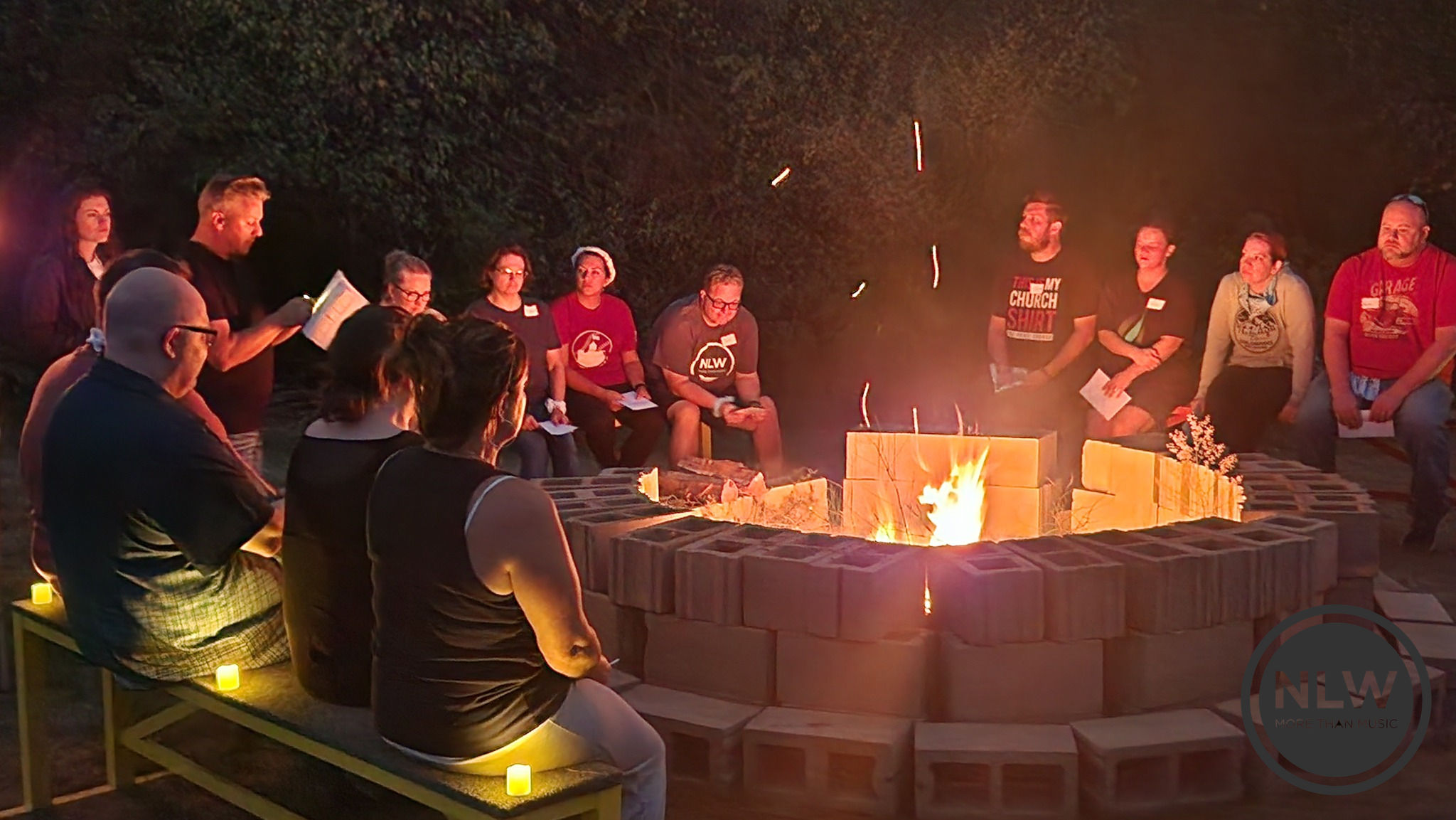
At Next Level Worship, we're passionate about helping church leaders and worship teams rediscover this kind of wonder. It's why we created resources like Pure Praise and why we host retreats like our upcoming ReFocus Global Retreat: because we all need regular recalibration to remember what matters most.
The technical details matter. Your rehearsals matter. Your song selection and transitions matter. But they're all secondary to the primary calling: to stand before God and His people in genuine awe, inviting others to join you in wonder.
So let me ask you the same question the Lord asked me that morning in the sanctuary: Where's the awe?
If you've lost it somewhere in the shuffle of Sunday morning logistics, it's time to get it back. Not for the sake of better performances, but for the sake of true worship: the kind that flows from hearts genuinely captivated by the majesty of our God.
This article was written with AI assistance and edited by the Next Level Worship team. For more resources on worship leadership and discipleship, visit nextlevelworship.com.
More Thoughts on the Title “Worship Leader”
Recently, someone wrote us the following comment about my article, “Worship Leader Is Still

GRACE AND MERCY
by Andrea Krigbaum Recently, God has been teaching me about grace and mercy. There are days I thin
Bringing Down Walls that Hinder Worship
The following is an excerpt from Week 8 of the Praise More Powerful worship study, which in that
Leave a Reply
You must be logged in to post a comment.