



The Fall Bible Study That Helped One Wyoming Group See Worship Differently
As we dig into the story of this Wyoming small group, I am reminded that God often does some of His deepest work in ordinary places.
Not always on a large platform. Not always in a packed sanctuary. Sometimes around a living room, with open Bibles, familiar faces, honest questions, and a willingness to listen.
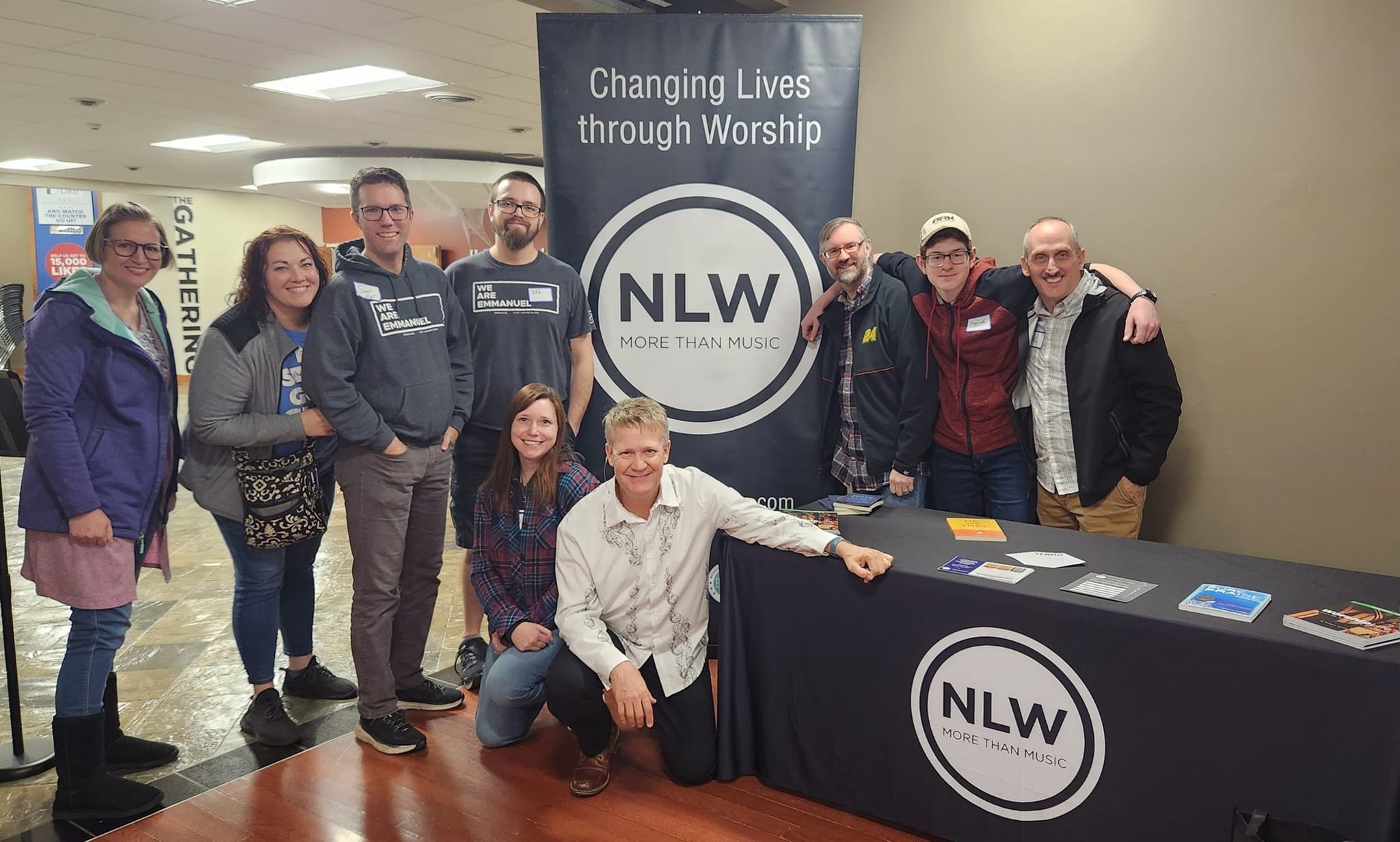
This group attends a church where Next Level Worship has had the privilege of leading multiple conferences over the years. Through those gatherings, we have encouraged pastors, worship leaders, and church members to see worship as more than music or a Sunday service. Worship is a whole-life response to the God who has first loved us.
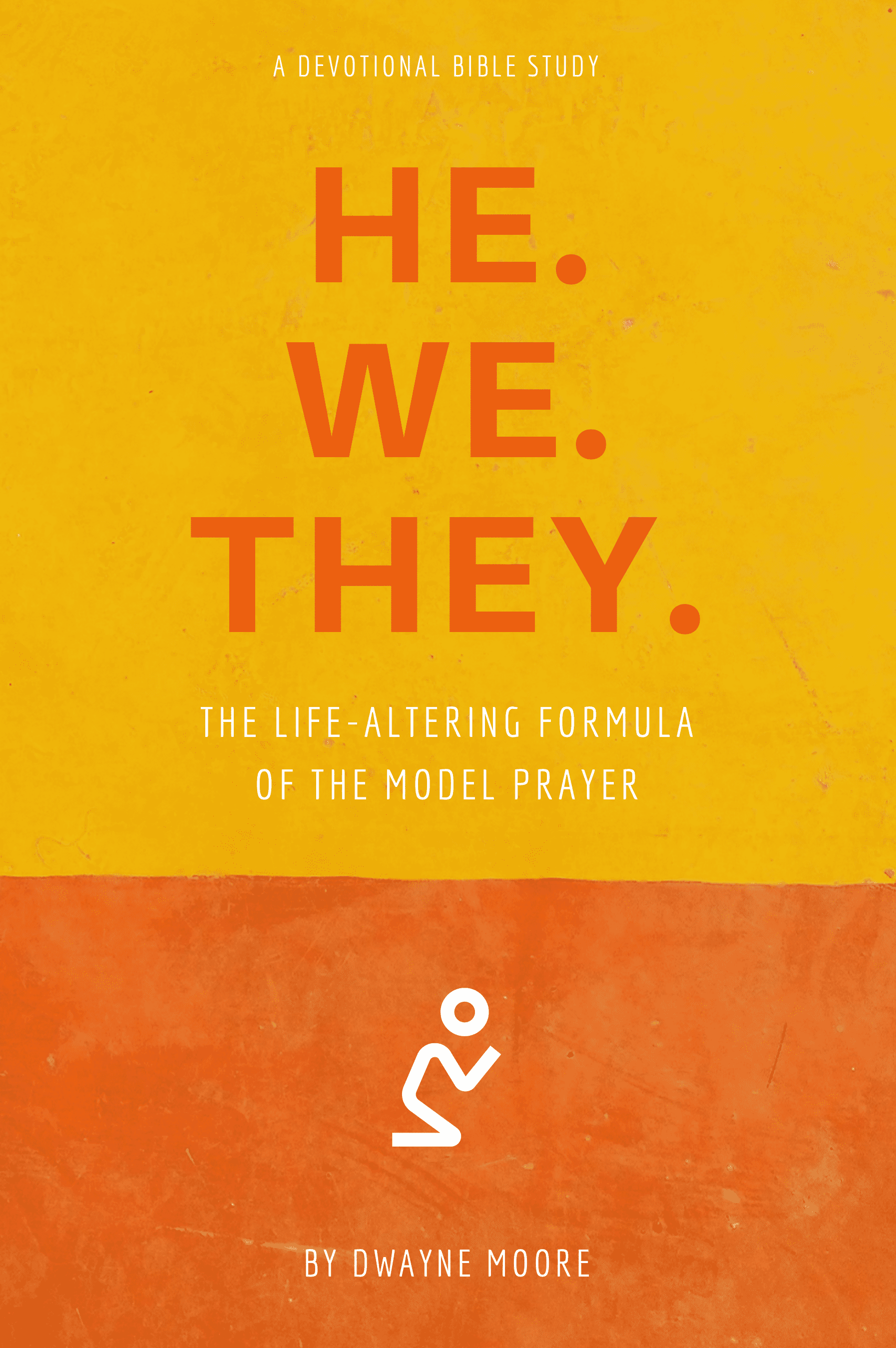
This fall, members of that church walked through HE. WE. THEY.: The Life-Altering Formula of the Model Prayer, a Bible study I wrote around the pattern Jesus gave us in Matthew 6:9–13.
Their response was simple and deeply meaningful. They described the study as “life-changing” and “eye-opening.”
Those words are worth pausing over.
What happens when a group of ordinary believers reads one of the most familiar prayers in Scripture with fresh attention? What happens when the Lord’s Prayer becomes more than words we repeat and begins to shape the way we see God, ourselves, one another, and the world around us?
Something begins to change.
A familiar prayer, seen in a fresh way
Many of us learned the Lord’s Prayer early in our Christian lives. We may have prayed it in worship services, repeated it at special gatherings, or heard it read at significant moments.
But Jesus did not give His disciples this prayer merely as a religious recitation. He said, “Pray then like this” (Matthew 6:9, ESV).
The prayer is a pattern for a life of communion with God.
The HE. WE. THEY. study invites us to see that pattern in three movements:
HE: We begin with God: His name, His kingdom, and His will.
WE: We bring our own needs honestly before Him: daily provision, forgiveness, and protection.
THEY: We allow our prayers to move outward toward God’s kingdom purposes in the lives of others.
This movement is more than a helpful outline. It reflects the journey of whole-life worship. We look upward to God, inward as He forms our hearts, and outward as His love and truth begin to flow through us.
HE: Worship begins with seeing God
The first movement of the prayer is “Our Father in heaven, hallowed be Your name” (Matthew 6:9).
Before Jesus teaches us to ask for bread, forgiveness, or protection, He teaches us to look at God.
This is where worship discipleship begins. We cannot be formed by a vague idea of God. We must come to know Him as He has revealed Himself: holy, loving, faithful, sovereign, and near.
The Cheyenne group discovered that beginning with “HE” changed the way they approached the rest of the study. Instead of rushing immediately to personal concerns, they were invited to slow down and consider the character of God.
Who is He?
What does His name reveal about Him?
What would it look like for His will to be welcomed in our homes, our churches, our workplaces, and our relationships?
These questions have a way of reordering our hearts. When we see God more clearly, we begin to see ourselves more honestly. We are no longer the center of the story. He is.
That is not diminishing. It is freeing.
Jesus continues, “Your kingdom come, Your will be done, on earth as it is in heaven” (Matthew 6:10).
True worship is not simply admiring God from a distance. It is surrendering to His will. It is allowing His kingdom to take first place in our decisions, our priorities, and our desires.
WE: Bringing our real lives before God
After turning our attention toward God, the prayer brings us honestly into His presence.
“Give us this day our daily bread” (Matthew 6:11).
“Forgive us our debts, as we also have forgiven our debtors” (Matthew 6:12).
“And lead us not into temptation, but deliver us from evil” (Matthew 6:13).
There is nothing abstract about these requests. They touch our everyday lives.
We need provision. We need forgiveness. We need wisdom. We need protection. We need grace for our families, our churches, and our relationships.
The “WE” section reminds us that whole-life worship does not require us to pretend we are stronger, more spiritual, or more put together than we really are. Worship includes honesty before God.
A small group becomes spiritually healthy when people can open Scripture and also open their hearts. They can talk about biblical truth and then ask, “Where does this meet me today?”
Perhaps someone is carrying grief. Someone else is waiting for employment. Another person is struggling to forgive. A church leader may be discouraged by conflict or weary from serving. A worship leader may be trying to lead others while quietly feeling spiritually empty.
The Lord’s Prayer gives us permission to bring these things to our Father.
But it also leads us toward transformation. We do not simply name our needs and remain unchanged. As we receive mercy, we are called to extend mercy. As we experience forgiveness, we learn to forgive. As God provides for us, we become more attentive to the needs of others.
This is where Bible study becomes worship discipleship. The truth moves from the page into the heart, and from the heart into the way we live.
THEY: When prayer widens our vision
The final movement of HE. WE. THEY. turns our attention outward.
“Your kingdom come.”
That prayer is larger than our personal comfort. It reaches beyond our homes and congregations. It asks God to work in people and places we may never see.
This is one reason the study became so eye-opening for the Cheyenne group. Prayer did not stop with “me” or even “us.” Their vision widened toward “they”: the people God has placed around them and the kingdom purposes He is carrying out throughout the world.
Who are the people we usually overlook?
Who needs encouragement?
Who is far from God?
Who is hurting behind a public smile?
Who has never heard the good news of Jesus?
A worshiping heart cannot remain inward forever. When we truly encounter God, His compassion begins to shape our compassion. We begin to see people not as interruptions, projects, or problems, but as those who bear the image of God.
This is the outward movement of whole-life worship. We worship through prayer, but we also worship through hospitality, service, generosity, evangelism, justice, patience, and love.
What this Cheyenne group can teach us
The story of this group is not about a perfect study experience or a special formula for spiritual growth. It is about what can happen when believers make room for God to speak through His Word.
For pastors, church leaders, and small group leaders choosing a fall Bible study, their experience offers several important reminders.
1. Choose a study that leads people into Scripture
A meaningful group study should not merely generate conversation. It should help people encounter the truth of God’s Word and respond to Him.
The Lord’s Prayer is familiar, but familiarity does not mean we have exhausted its meaning. Often, God uses well-known passages to awaken us to truths we have overlooked.
2. Create space for honest conversation
People grow when they are able to speak truthfully and listen carefully. A small group should be a place where men and women can bring questions, doubts, joys, and burdens into the light of Scripture.
The goal is not to impress one another. The goal is to help one another follow Jesus.
3. Connect worship to everyday life
Worship is not confined to a worship center, a Sunday setlist, or a musical expression. As Paul writes, “Whatever you do, do all to the glory of God” (1 Corinthians 10:31).
A good Bible study helps people ask not only, “What does this passage mean?” but also, “How should this truth change the way I live?”
4. Let formation lead to multiplication
The church in Cheyenne has been part of a longer relationship with Next Level Worship through conferences and equipping opportunities. Now, the teaching has continued in a small group setting.
This is how ministry multiplies. A conference may encourage us for a day, but discipleship takes root when truth is discussed, practiced, prayed, and shared over time.
From one group to a wider kingdom
When this group said the study was “life-changing” and “eye-opening,” they were not describing a new religious experience detached from ordinary life. They were describing a renewed awareness of God in the middle of ordinary life.
That is the beauty of worship discipleship.
God meets us in living rooms, church classrooms, coffee shops, sanctuaries, and quiet places. He takes familiar words and makes them living words. He gathers us around Scripture and teaches us to look first to Him, then honestly at ourselves, and finally outward toward the people He loves.
If you are a pastor or small group leader considering a fall Bible study, perhaps this is the invitation: Do not simply choose material to fill a calendar. Pray for a study that will help your people grow in communion, surrender, obedience, and compassion.
The HE. WE. THEY. Bible study is designed for individuals, small groups, and church-wide settings. You can also read a sample and explore other resources through Next Level Worship.
But wherever you begin, begin with Him.
Let the Father turn our eyes toward His holiness. Let Christ meet us in our daily needs and deepest failures. Let the Spirit widen our hearts for our neighbors, our churches, and the nations.
A small group in Cheyenne discovered that a familiar prayer could become a fresh encounter with God. And perhaps that is what the Lord wants to do among us this fall: not merely give us more information, but form us into worshipers whose lives become prayers.
From HE, through WE, toward THEY.
This is the journey of whole-life worship. This is how disciples are formed. And this is how God’s life and love begin to overflow into the world.
This blog post was created with the assistance of AI. At Next Level Worship, we use modern tools to help spread the timeless message of the Gospel and equip church leaders worldwide.
Join Us for ReFocus '26: Experience Global Worship at R1D!
What if we told you that on one single Saturday morning, believers from more than 20 countries would
Spiritual Renewal Series on Moody Radio FL
The Moody Radio network in Florida recently featured Dwayne teaching a 5-part series on spiritual re
Interview about 30 Days of Renewal on Canadian National Television
Moira Brown of Canada’s “100 Huntley Street” TV talk show speaks with Dwayne about
Leave a Reply
You must be logged in to post a comment.