


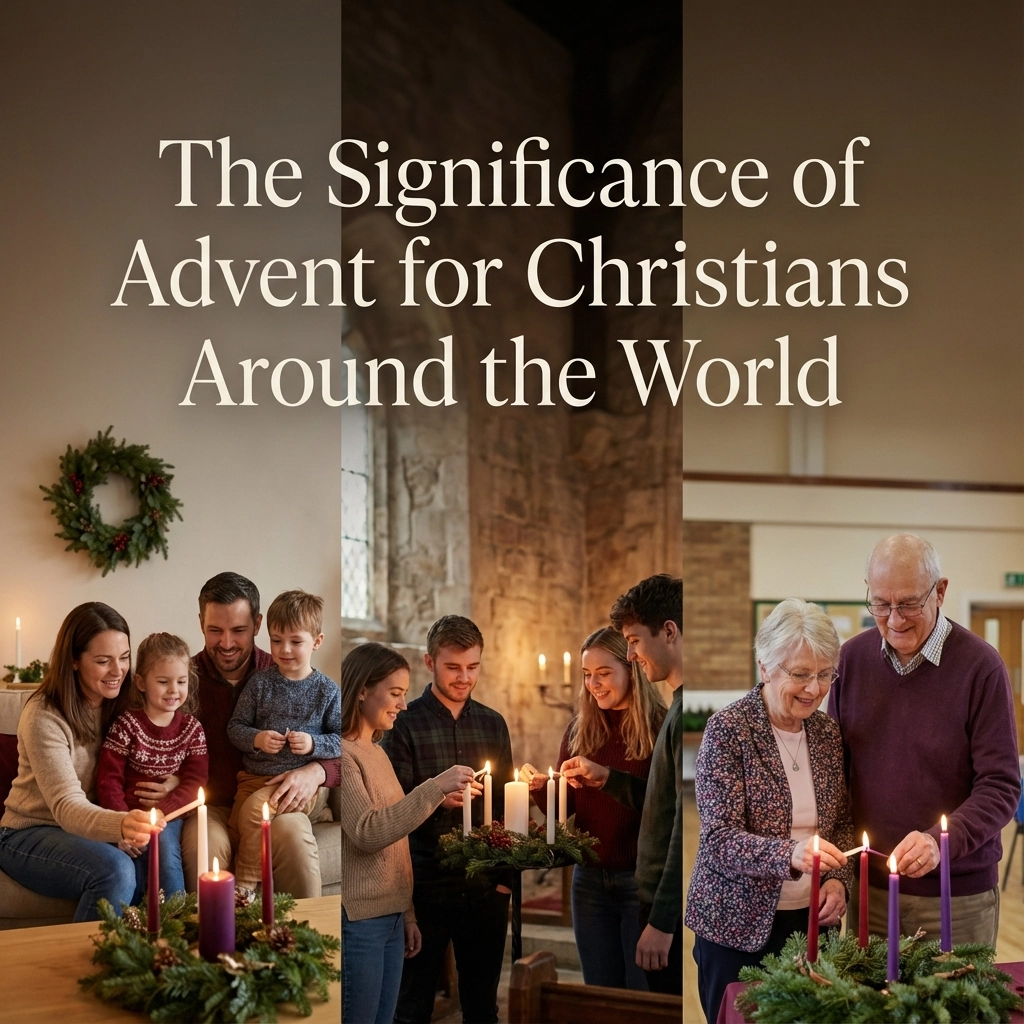
The Significance of Advent for Christians Around the World
As we step deeper into December, there's something beautifully sacred happening in churches across every continent. From a small rural congregation in Kenya to a bustling cathedral in Brazil, from house churches in China to traditional sanctuaries in Scotland, believers everywhere are lighting candles, singing ancient hymns, and preparing their hearts for the same profound celebration. This is Advent, and it's one of the most unifying seasons in the global Christian calendar.
But what exactly makes Advent so significant? And how can we, as church leaders, worship leaders, and believers, help our communities experience the deeper meaning of this sacred season? Let's dive into why Advent matters, not just for our local churches, but for the entire body of Christ around the world.
What Is Advent? Understanding the Biblical Foundation
The word "Advent" comes from the Latin "adventus," meaning "coming" or "arrival." It's the four-week period leading up to Christmas that begins on the fourth Sunday before December 25th. But this isn't just a countdown to presents and family dinners, it's a profound spiritual season with deep biblical roots.
For Christians, Advent represents a threefold coming of Christ. First, we remember His incarnation at Bethlehem, God becoming human to dwell among us. Second, we celebrate His ongoing presence with us today through the Holy Spirit. And third, we anticipate His second coming when He'll establish His kingdom in fullness.
This isn't some modern church invention. Early Christians understood that waiting itself is worship. Just as ancient Israel waited for the promised Messiah throughout the Old Testament, we step into that same posture of expectant faith. When we observe Advent, we're joining centuries of believers who have held onto hope through uncertainty, persecution, and doubt.
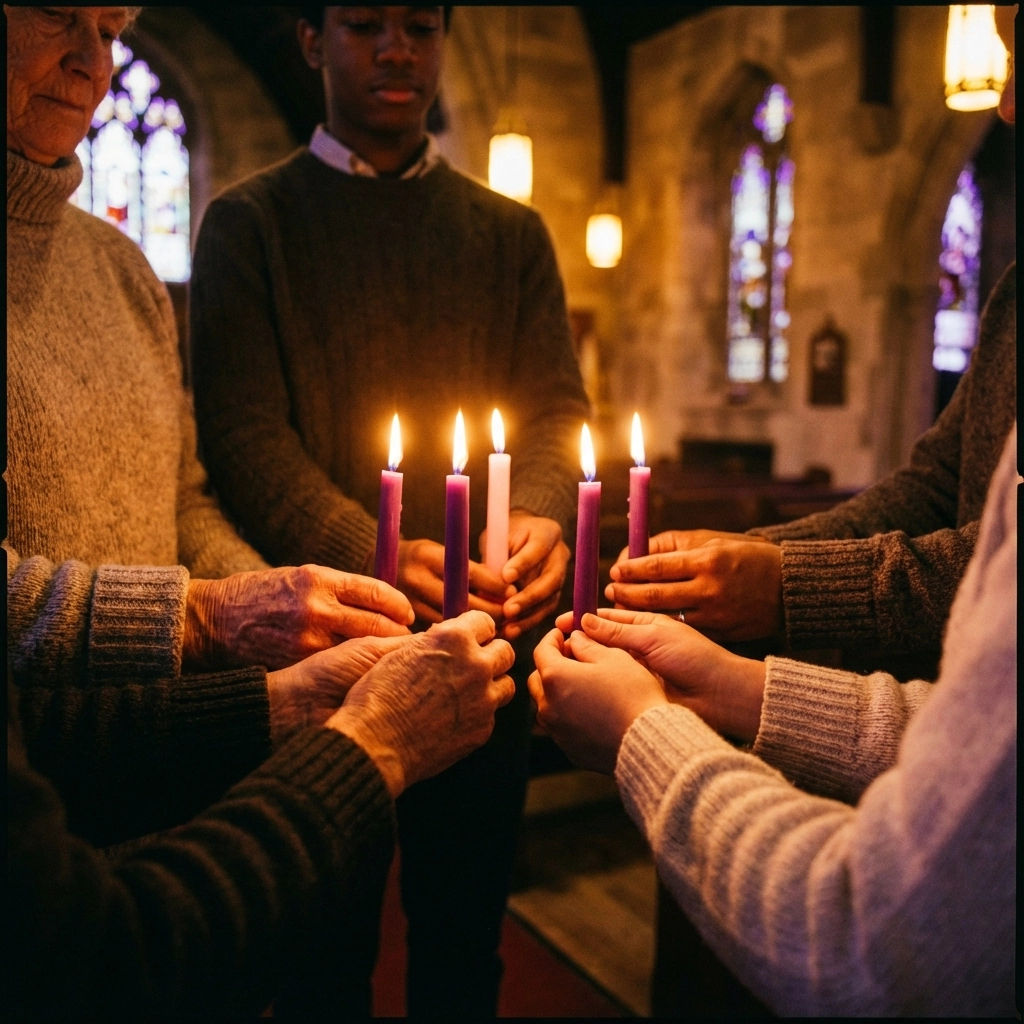
A Global Expression of Faith and Unity
One of the most beautiful aspects of Advent is how it unites Christians across every cultural, denominational, and geographical boundary. While a worship woman in Nigeria might light her Advent candle differently than a lead pastor in Norway, both are participating in the same act of preparation and hope.
This global observance creates something powerful, a sense that we're part of a story much bigger than our local congregation or personal circumstances. When women in worship in rural India gather for Advent prayers, they're connected to families lighting candles in suburban America and youth groups singing carols in urban Brazil. We're all anticipating the same Christ, preparing for the same hope.
For church leaders and ministry teams, this presents an incredible opportunity. Advent isn't just about individual spiritual growth, it's about helping our communities understand they belong to a global family. When your praise team leads "O Come, O Come Emmanuel," they're joining voices with millions of believers around the world singing that same ancient cry for deliverance.
Why Advent Matters for Authentic Worship
At Next Level Worship, we're passionate about authentic, transformative worship that goes beyond Sunday morning. Advent perfectly embodies this vision of whole-life worship. It's not confined to a single service or special event, it's a season-long journey of the heart.
Advent challenges the hurried, consumer-driven approach to Christmas that dominates our culture. Instead of rushing toward December 25th, we're invited to slow down, reflect, and allow our hearts to be transformed by the reality of Emmanuel, God with us. This is worship discipleship in action.
For worship leaders and church staff, Advent provides a natural framework for teaching your congregation about lifestyle prayer and authentic spiritual formation. The season's emphasis on waiting, hoping, and preparing mirrors the Christian life itself. We're always waiting for God's promises to be fulfilled, always preparing our hearts for deeper intimacy with Him.

The Power of Sacred Symbols and Traditions
The visual elements of Advent, wreaths, candles, colors, aren't just decorative. They're profound teaching tools that help believers of all ages understand spiritual truths. The Advent wreath, with its four candles, creates a rhythm of anticipation. Each week, as another candle is lit, the light grows stronger, symbolizing Christ's approaching birth and our growing faith.
The purple candles represent prayer, penance, and preparation. The pink candle (lit on the third Sunday) symbolizes joy as we realize we're more than halfway through our waiting. Some traditions include a white Christ candle in the center, lit on Christmas Eve to represent the Light of the World finally arriving.
For church leaders planning Advent services, these symbols provide rich opportunities for worship experiences that engage both children and adults. A lead worshipper might invite the congregation to reflect on what it means to be "light bearers" in a dark world. A women's ministry might explore how Mary's own Advent journey, waiting, trusting, saying "yes" to God's plan: speaks to modern believers facing uncertainty.
Fostering Godly Vision Through Advent Preparation
Advent isn't just about looking backward to Christ's first coming or forward to His return: it's about cultivating godly vision for how we live today. The season teaches us that authentic Christian living requires both patience and urgency, both celebration and sobriety.
For church leaders, this creates opportunities to help your congregation develop biblical priorities. Advent naturally counters the materialism and busyness of December culture. It invites believers to ask: What are we really preparing for? What kind of people do we want to be when Christ returns?
This is especially relevant for ministry leaders working with different generations. While older believers might connect with traditional Advent hymns and liturgies, younger worship teams might express the same truths through contemporary songs and creative expressions. The key is helping everyone: from children to grandparents: understand that Advent is about heart preparation, not just calendar preparation.

Advent as Global Missions and Unity
One of the most profound aspects of Advent is its ability to connect local congregations to the global church. When we sing "Silent Night" on Christmas Eve, we're joining believers in countless languages and countries who are celebrating the same miraculous birth. This isn't just sentiment: it's a glimpse of the worldwide body of Christ that transcends all human divisions.
For church leaders interested in worship missions or global ministry, Advent provides natural entry points for teaching about the worldwide church. Consider incorporating international Advent traditions into your services: perhaps learning a Christmas song in another language or highlighting how believers in persecuted countries celebrate Christ's birth despite danger.
This global perspective also challenges us to think beyond our own comfort and preferences. While we're preparing for Christmas celebrations, many believers around the world are facing persecution, poverty, or isolation. Advent's emphasis on hope and God's faithfulness speaks powerfully to these realities, reminding us that Christ's coming brings good news especially to the marginalized and suffering.
Practical Steps for Church Leaders
So how can we help our congregations experience the full richness of Advent? Here are some practical approaches that work in churches of all sizes:
Create Rhythms of Preparation: Establish weekly Advent themes: Hope, Peace, Joy, Love: that guide your worship planning, small group discussions, and personal devotions. This gives your entire congregation a shared vocabulary for the season.
Encourage Family Worship: Provide resources for families to observe Advent at home. Simple Advent calendars, daily readings, or family devotional guides help extend worship beyond Sunday morning into whole-life discipleship.
Connect to Scripture: Ground your Advent celebrations in biblical narrative. Walk through the Old Testament prophecies, Mary's story, the shepherds' experience. Help people see how Christ's birth fulfills God's ancient promises and speaks to contemporary needs.
Plan Intergenerational Experiences: Design services and activities that engage all ages. Let children help light candles, involve teenagers in reading scripture, ask older adults to share memories of meaningful Christmas celebrations. Make Advent a community experience, not just individual observance.
For worship teams specifically, consider how your music selection can guide people through the emotional and spiritual journey of Advent. Begin with songs of longing and anticipation, progress through themes of preparation and promise, and culminate in celebration and joy.
The Transformative Power of Waiting Well
Perhaps the most countercultural aspect of Advent is its emphasis on waiting. In our instant-gratification culture, the idea of deliberately slowing down and preparing feels almost revolutionary. But this is exactly what our souls need: and what our world desperately lacks.
Advent teaches us that some of the most important work happens in the waiting. Mary waited nine months for Christ's birth. The disciples waited for the Holy Spirit at Pentecost. The church waits for Christ's return. This isn't passive waiting: it's active preparation, faithful anticipation, and trust-filled hope.
For church leaders, this creates opportunities to address some of the deepest needs in your congregation. Many people struggle with anxiety about the future, disappointment over unanswered prayers, or discouragement about slow spiritual growth. Advent's message is clear: God is faithful, His timing is perfect, and our waiting is not in vain.
This season also provides natural opportunities for deeper worship discipleship and spiritual formation. Encourage your congregation to see Advent not as something they observe but as something they participate in. We're not just remembering Christ's birth: we're preparing our hearts for His ongoing work in our lives.
A Season That Points Beyond Itself
Ultimately, the significance of Advent lies not in the season itself but in the Christ it points toward. Every candle lit, every carol sung, every moment of reflection is meant to draw us deeper into relationship with the One who came as a baby and will return as King.
This is why Advent matters for Christians around the world: it's not about cultural tradition or seasonal sentiment. It's about the profound reality that God entered human history to rescue, redeem, and restore us. And He's coming back to finish what He started.
As we lead our congregations through this sacred season, let's remember that we're not just planning church services or organizing events. We're helping people encounter the living Christ. We're creating space for hearts to be transformed. We're participating in God's ongoing story of redemption.
Whether you're a lead pastor planning Christmas services, a worship leader selecting songs, or a ministry coordinator organizing Advent activities, you have the privilege of shepherding people toward the manger: and toward the hope that manger represents.
The candles will eventually burn down. The decorations will be packed away. But the truth Advent proclaims: that God is with us, that light conquers darkness, that hope is never lost: this truth burns eternal. And it's this truth that unites Christians around the world in one voice of praise: "O come, let us adore Him!"
Ready to take your church's worship to the next level this Advent season? Explore our resources at nextlevelworship.com for practical tools, training opportunities, and community support designed to help church leaders foster authentic, transformative worship experiences year-round.

Remembering Paul's Chains: What Colossians 4:18 Really Means for Modern Believers
Good morning, friends. As we dig into God's Word today, I want to share something beautiful that
Godly Vision for Worship Teams: How to Cast, Communicate, and Live It
As we dive into one of the most crucial aspects of worship leadership, let's be honest about som
Join Us for ReFocus '26: Experience Global Worship at R1D!
As we dig into what makes ReFocus One-Day (R1D) so special, imagine this: on one Saturday, believers
Leave a Reply
You must be logged in to post a comment.